Fabric knowledge
Cotton Shirting Fabric Types: Poplin, Twill, Oxford and Dobby
· 5 min read
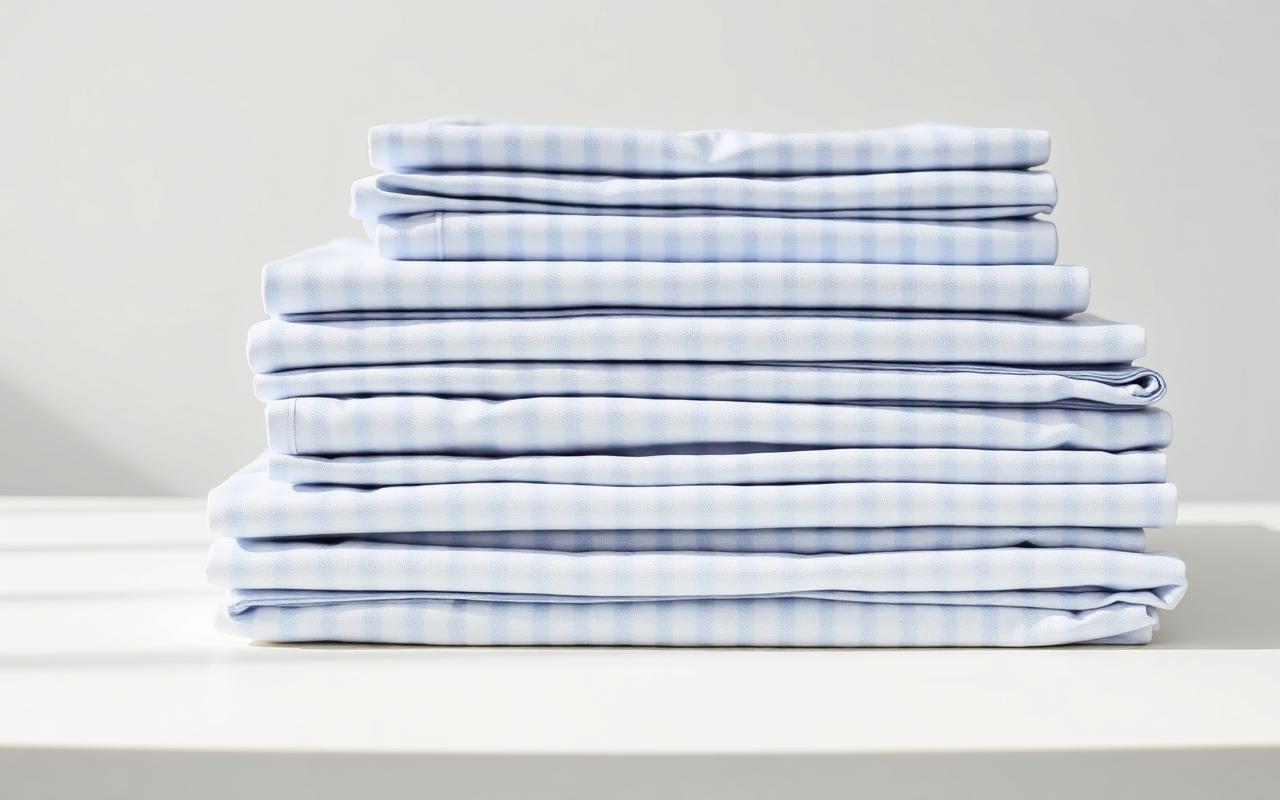
Shirting is where weave and yarn count matter most. Two fabrics with the same composition can behave completely differently on the cutting table. Here is how the four common cotton shirting families compare.
Poplin
A tight plain weave with a smooth, flat face and a crisp hand. Poplin presses beautifully, which makes it the default choice for formal and uniform shirts. Higher counts (2/80s and above) feel silkier but need careful needle selection to avoid pinholes.
Twill
The diagonal twill line gives a softer drape, better wrinkle recovery and a subtle sheen. It is a good fit for business-casual shirts and for prints where a slight texture hides seam puckering.
Oxford
A basketweave with a visible texture and excellent durability. Standard oxford suits casual shirts and corporate uniforms; pinpoint oxford uses finer yarns for a dressier finish. Oxford is more forgiving in wash and wear, which matters for institutional orders.
Dobby and structures
Dobby looms add small woven motifs — dots, herringbone, small geometrics — directly into the fabric. It gives design interest without printing, but requires attention to pattern matching at the yoke and placket, so plan an extra 3–5% consumption.
Choosing counts and finish
For bulk shirting, specify yarn count, ends and picks, finish (mercerised, easy-care, wrinkle-free) and shade continuity across the lot. We stock solids, stripes and dobby weaves in ready-to-stitch quantities and can match shades against a physical swatch.
Keep reading
Cotton Denim Fabric Buying Guide for Garment Manufacturers
How to choose cotton denim fabric by weight, weave, stretch and wash — a practical sourcing guide from a Bengaluru wholesaler.
Seven Fabric Quality Checks Before You Confirm a Bulk Order
Practical quality control steps — GSM, shade continuity, shrinkage, colour fastness and more — for buyers placing wholesale fabric orders.