Quality control
Seven Fabric Quality Checks Before You Confirm a Bulk Order
· 5 min read
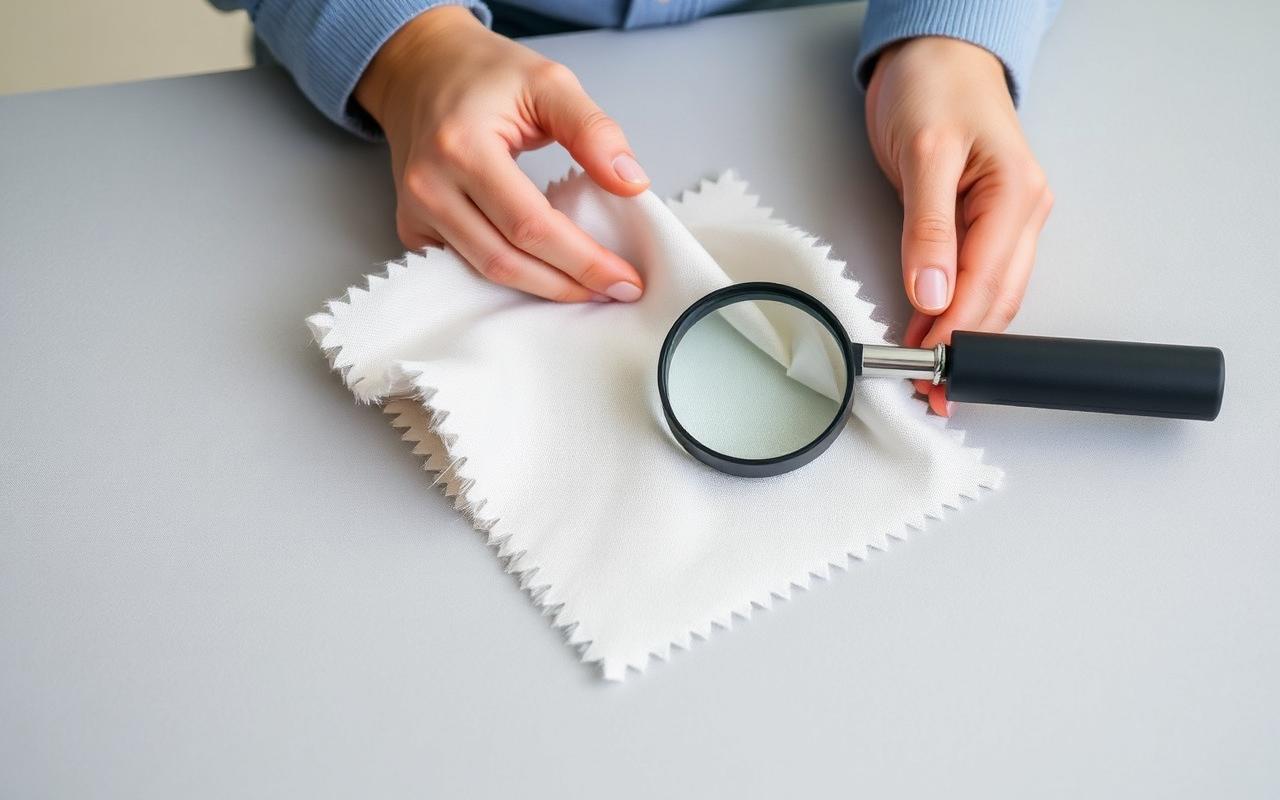
Most bulk fabric disputes trace back to a check nobody ran. These seven inspections take a day and save weeks of rework once cutting has started.
1. GSM and width tolerance
Weigh a cut swatch and measure usable width excluding selvedge. Agree tolerances in writing — typically ±5% GSM and ±1 inch width — before the lot is reserved.
2. Shade continuity across rolls
Lay swatches from the first, middle and last roll side by side under D65 light. Shade drift within a lot is the most common cause of panel mismatch in finished garments.
3. Residual shrinkage
Wash-test a marked square at your production wash cycle. Anything above the agreed residual shrinkage should be corrected in the pattern or rejected.
4. Colour fastness
Rubbing (dry and wet), wash and perspiration fastness ratings should meet the buyer's standard. For indigo denim, expect and plan for crocking.
5. Weave and surface defects
Run a four-point inspection on at least 10% of rolls. Slubs, missing picks, oil marks and holes are scored and totalled per 100 square yards.
6. Skew and bow
Distorted weft causes twisted legs and side seams. Check skew on the open width before cutting, not after.
7. Documentation
Collect the mill test report, lot number and packing list for each delivery. Traceability makes any later claim straightforward to resolve.
Keep reading
Cotton Denim Fabric Buying Guide for Garment Manufacturers
How to choose cotton denim fabric by weight, weave, stretch and wash — a practical sourcing guide from a Bengaluru wholesaler.
Cotton Shirting Fabric Types: Poplin, Twill, Oxford and Dobby
A clear comparison of the main cotton shirting weaves — poplin, twill, oxford and dobby — with counts, uses and bulk buying tips.